How to update your menus: new trends and designs
From eye-catching menu layouts to renaming favourite dishes, we share how to stay ahead of the competition this year.
Last updated: 16 Oct 2024
How to reinvigorate your menu
Keeping your menus up to date with the latest trends can help your business win in this fast-moving industry. Diners are looking for different things when they decide where and what to eat. Follow these tips to keep your menus fresh and exciting for your customers, while staying true to your style.

Include personality
Your menu isn’t just a list of dishes. It’s a chance to tell a story about your food and your business. A diner can tell a lot about the experience of eating your food just by looking at your menu, so it’s important to take some time to get it right.
To introduce your menu, why not include a few words to say what your business is and what it’s all about? If you have a specific point of view as a chef – maybe a particular type of cuisine, specific ingredients or cooking methods you use – you can share it with your diners to help them feel more connected with your food. If you’re a family business or have an interesting story of how you got started, include it. But remember – keep it short so it’s easy to read.
Changing dining trends
A recent survey from Deliveroo found that 43% of diners want to eat more plant-based foods, while 29% think vegan options will become more popular. If you have dishes that fit into these categories, highlight them for your diners. Use a small symbol to show when a dish is vegan or vegetarian. We have lots of ways to promote your plant-based menu here.
Experts believe we’ll see a move towards more home cooking. Because of this, it’s possible diners will be looking for a more upscale experience when they eat out. Last year, fun and entertainment were lacking, so try to make a menu that can offer a one-of-a-kind experience. To achieve this, consider innovative cooking methods that people will struggle to copy at home – and highlighting the technique on your menu.
Naim Maadad, chief executive and founder of Gates Hospitality, has been quoted as saying: “It is time for venues and chefs to put their creative hats back on and go back to the drawing board to create menus that are out of the ordinary and not cookie-cutter solutions.”

Menu designs that wow
Make sure the design of your menu represents the personality of your business and the style of your cuisine. Ask yourself: is our place formal or relaxed? Local or international? Modern or timeless? All these qualities can inform how your menu looks, from the typography, colours, patterns and even what it’s printed on. A beautifully designed menu is a great asset to share on your social media channels too.
As we look ahead, we expect to see shorter, clearer menu layouts. Samantha Wood, a blogger who works with restaurants in Dubai to curate their dining experiences, says: “We are seeing more compact menus, which help restaurants manage their food costs and, as an added bonus, also limits food wastage.” Following Covid, many menus have opted for digital only, and this could be here to stay – so look at the structure of your menu to make sure your important dishes aren’t ignored because diners aren’t scrolling far enough!
If you rely on a wide-ranging menu, you could try offering a set menu option or cutting down on the number of dishes on offer. That said, millennials are reportedly big fans of ‘blended’ meals, where they can mix and match between mains, appetisers and dessert, especially if they’re ordering their food to go. So while it helps to keep menus short, some options for smaller dishes that can be easily added may please your customers.
Naming your dishes
How you describe your dishes will help entice diners. If you use unique ingredients, don’t hesitate to include them in the names or descriptions of your dishes. As diners seek new culinary experiences, it can help if you offer more unusual dishes. You can add a line or two to your menu to explain the meal and how it’s made, so diners can be intrigued by the novelty, but feel confident that they know what they are choosing. Highlighting if a dish is vegan, organic or gluten free can entice diners through the door too.
Your menu is often the first thing diners see when they arrive. By adapting it to meet certain trends, you’ll help your business stay up to date and have your customers coming back for more.

No British roast is complete without a well-rounded mix of sides to support it. Give some classic sides dishes a modern makeover with a few simple ingredients…
Yorkshire pudding
Including some extra ingredients in the batter of this crispy, chewy side is a sure-fire way to help your Yorkies stand out from the crowd.
- Cheddar, Blue Cheese, Parmesan… a sprinkling of any will take Yorkshire puddings to the next level, and give diners a cheesy centre surprise.
Chef’s Tip: Chef Tony Jardella, Chef de cuisine at Perry and Blackwelder’s Original Smokehouse suggests adding a fiery bite with a tablespoon or two of Colman’s Wholegrain Mustard or Colman’s English Mustard Powder and a bunch of fresh thyme.
Colcannon
Rich, creamy and delicious is the only way to describe this mashed potato and cabbage mix. Scallions, milk and melted butter round it off.
- Swap potato for cauliflower and cabbage for kale to give this dish a healthy makeover.
Potatoes
Baked, boiled, chipped, mashed or roasted… this starchy veg is an essential ingredient to many a Brit classic.
- Hasselback potatoes certainly have plating appeal. Slice, fan and layer the potatoes with black garlic and cheddar, and cook until crunchy yet tender.

Carrots & Parsnips
British roast dinners rarely hit the table without a serving of these earthy root vegetables.
- Pair the veg with a subtle honey and a spicy blue cheese, like Stilton, and bring a delicious sweet/salty dimension to this classic side.
Bubble & Squeak
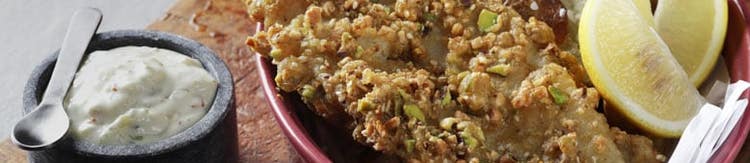
Traditionally made from leftover vegetables. Mashed potatoes bind everything together and the mix is moulded into small cakes and pan-fried.
- There’s all kinds of ways to liven up this classic, try a dollop of Horseradish sauce, or substitute sweet potatoes for potatoes.
Chef’s Tip: Chef Tony recommends a spicy Indian twist with some curry powder and turmeric.
Related Recipes

Restaurant food storage is essential to Food health and safety. Numerous factors can affect the quality of foods, such as the actual storage space, the delivery and the hygiene of fellow staff members. We've put together a list of 8 Restaurant Food Storage Guidelines that will help you ensure Food Safety in your kitchen. Whether you’re a Commi-Chef of the industry or Culinary Expert, reviewing these tips can improve your restaurant’s operations and keep your guests safe.
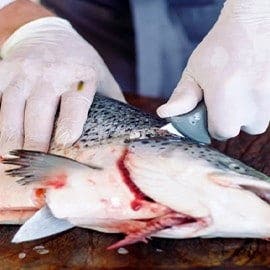
Tip 1: Delivery Temperature
When fresh produce is delivered, measure the temperature of each ingredient. If the temperature is not correctly chilled, bacteria can grow faster. Call your delivery partner and return the produce.
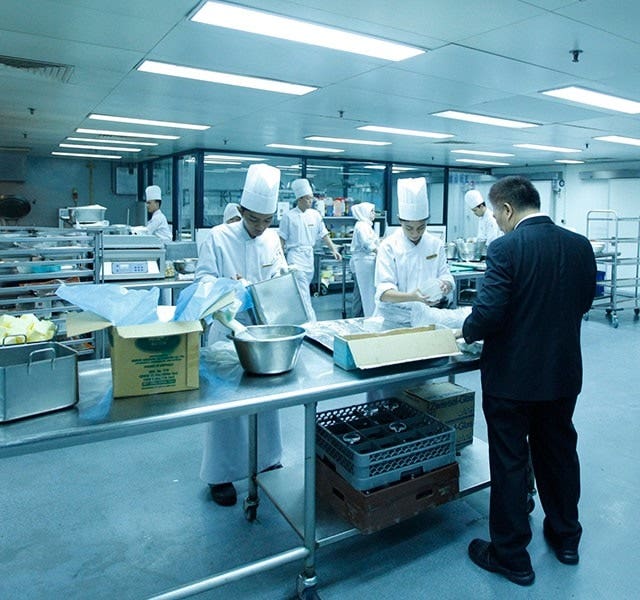
Tip 2: Toxic Chemicals
Keep toxic chemicals and cleaning products away from food. Never put hazardous substances above food.
Tip 3: Floor Level
Do not store boxes on the floor, but on a raised platform or shelf. The floor is a source of bacteria.

Tip 4: Storage Space
Make sure the storage space and products are clean and hygienic. You should be able to close the storage area to keep it dry and safe from pests.
Tip 5: FIFO
When storing and stocking products, you should use the First In, First Out (FIFO) system. By using this method, you’ll ensure both food quality and food safety. The FIFO method ensures that when a restaurant gets food delivered, the food will be stored behind the deliveries. This method ensures that the older food will be used first.
Tip 6: Labelling
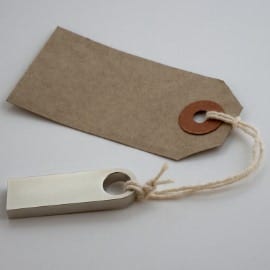
When food is prepared, remember to add preparation date to dish. (add stickers here: date, dish name, date of prep).
Tip 7: Meat goes under
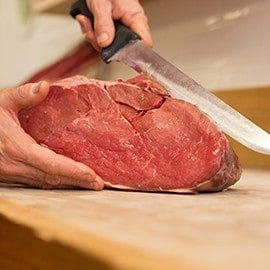
Meat should always be stored beneath other food items to prevent cross contamination, of the meat juices, with other food items.

Tip 8: Stick to Temperatures
Follow the Food Storage temperature regulations to ensure your food is always stored at optimal temperature to ensure freshness and prevent food contamination.
Restaurant Food Storage Chart

Planning a British menu? Tony Jardella, Chef de cuisine at Perry and Blackwelder’s Original Smokehouse, tells us which dishes are crowd-pleasing classics…
Cajun Chicken Eggs Benedict
Eggs Benedict is a favourite on breakfast, brunch and all-day dining menus. Give it a spicy update by swapping turkey bacon for Cajun chicken.
Cooking tip: Create a dry rub for the chicken with paprika, cayenne pepper, salt and Knorr Chicken Stock Powder. Use the Cajun chicken seasoning and a bit of tabasco to spice up the Knorr Hollandaise Sauce too.
Roast Beef with honey-glazed parsnips, buttered carrots, chestnut Brussel sprouts, long stem broccoli florets, roast potatoes and Yorkshire pudding
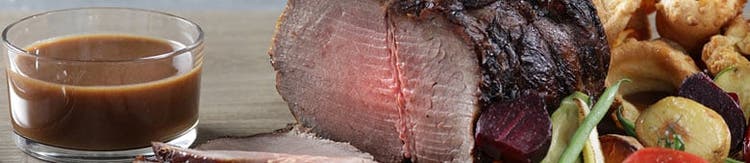
Tender roast beef served with a wide choice of sides and lashings of Knorr Brown Gravy is the only way to dish this up to diners.
Serving tip: Plate the sliced meat and drizzle gravy over it. Put the sides and lots of extra gravy on the table and let diners help themselves.
Cauliflower Cheese
An inexpensive dish to produce, it’s great as either a main dish or a side.
Cooking tip: Use onions and leeks and cook them off with some Knorr Chicken Bouillon for a deeper flavour. Add a little garlic for richness and a pinch of nutmeg if you’re using a strong cheese like parmesan.
Steak & Kidney Pie
Pies – both savoury and sweet – are another British cuisine standard and few are as popular as steak and kidney. Serve with mash, peas and gravy for a hearty, satisfying dish.
Cooking tip: Combine Knorr Beef Stock Powder, Knorr Brown Gravy, Colman’s Dijon Mustard and tomato paste to create a braising stock that’s full of flavour.

Sticky Toffee Pudding
British cuisine champions puddings and this is one of its finest... gooey, rich, indulgent and delicious. Best served with smooth, creamy Cornish ice cream.
Cooking tip: Create a thick toffee sauce with a mix of dark and light brown sugars, butter and a dash of cream. For extra sweetness add in white sugar.
Related Products
Related Articles